

Nutrition can be so confusing. There is so much information and misinformation outline, friends telling us to do different things, habits we learn from our childhood, so many choices available, unhealthy ideals glorified, and so many products claiming to cure everything. My basic principle when it comes to this is that if it contradicts everything you have ever known, if it seems too good to be true, and if it will reduce your quality of life, it isn’t helpful and you should probably stick away from it. The truth is that nutrition is very individual, and not everybody needs the same thing. And not everything will work for everything, everyone has different food preferences and cooking ability, and time, and if you are working shift work you will not be eating at the same time as someone who goes to school at the same time everyday. But here are some tips that are all around principles that you can incorporate into you life to take another little step towards being healthier, from a nutrition student and long time healthy food enthusiast.

1: You need to eat. Yes you, no matter who you are, no matter how young or old or short or the amount of exercise or lack of exercise you do. It may seem obvious, but food is energy for your body, brain, heart, skin, hair, emotions, hormones, and everything else in your body and it is vital that you give it the nutrients you need.
2: The pie chart plate you saw as a kid? It’s pretty much right. Building a meal can be confusing, but generally a good balance for most meals is starting with a protein, with that being a quarter of your plate, then adding a carbohydrate for another quarter, then adding vegetables for half of the plate. This can be hard to do at every meal, but generally if you add a source of protein, a source of carbohydrates and a vegetable or fruit to every meal, its a pretty good start. You don’t have to do this for every meal, but if most look like this, that’s pretty solid.

3: Vegetables and fruit are good for you! They are really under consumed by most people. Why are they good for you? They contain lots of essential vitamins, minerals and lots of other things that are great for your body. Also, they help balance out what you are eating and keep you full. Adding banana or tinned fruit to cereal, eating fruit at snacks (more on that later) lettuce and carrot in a sandwich at lunch and broccoli, salad or coleslaw at dinner are all great things do for the average person. Fruit and vegetables are also high in fibre, which helps gut health, which in turn helps your whole body.
4: Protein is really good for you! Remember the pie chart that was everywhere 15 years ago? It’s pretty good, except that I would say it doesn’t encourage protein as much as it could. It is so vital! It helps build muscle, keep muscle mass as you age, keep you full, and is good for your brain and hormones and basically everything else in you. There is quite a big protein trend right now, which is good in a way- many people, especially active people, need to eat more protein. Great protein sources are eggs, (2-3) chicken, fish (fresh and canned) meat and tofu. Canned fish is great for a quick protein source, and tofu is a great vegan source of protein because it has all the essential amino acids that meat has. Just remember not everything needs to have protein in it- protein fortified pasta/flour/milk/cupcakes/sand are great, but sometimes pasta is just pasts too, and that’s ok.
5: Try to eat a wide variety of foods. Sometimes it is hard, and sometimes we find a meal or food that we love and want to eat all the time. And that’s fine, but it’s really good to give eating a wide variety of foods some thought. There are so many nutrients your body needs, and all of those are in different foods in different quantities. By eating a wide variety of foods, you can make sure you are getting everything your body needs to do all the amazing things it needs to do.

6: No foods are bad, or need to be off limits. There are lots of people who tell people that you can’t eat something, it will make you *fill in the blank.* This has happened a lot in past years with both carbohydrates and fats. But the truth is, you need both for your body to work properly- carbohydrates are needed for energy, mood, brain health and hormone function, and fats help with taste, fullness, hormones, and lots more. Great carbohydrate choices are wholegrain, but anything is better than nothing. Great choices in fats are avocados, oily fish and olive oil, but any oils, butter, and fat from meat are all fine and have benefit when not eaten in crazy amounts. Same goes with sugar or anything else- you don’t have to never eat the foods you love, if you love them. Just be mindful that some foods are better for your body than others.
7: If you exercise a lot, you need to eat more. This might sound obvious, but it’s something I didn’t really know when I started training hard. Usually, exercising more makes you more hungry, so you eat more, (although not always!) but it is worth noting. For most people, an extra snack or two is usually enough, but it depends on the type and intensity of the exercise.

8: Your body is smart, don’t ignore it. Our bodies are created amazingly, and they are really smart. Most of the time, they will tell us when we need to eat with hunger. And most of the time, we should stop eating when we are satisfied. Sometimes this is harder than it sounds, but it’s worth noting all the same. And if you are more hungry one day and eat more, or less hungry and eat less, that’s ok. There are lots of complicated things going on behind the scenes that you can’t see, but it’s your job to make sure your body has enough fuel to do all those things. If you are eating 3 healthy meals and maybe 1-3 snacks, more or less, give or take, then don’t stress.
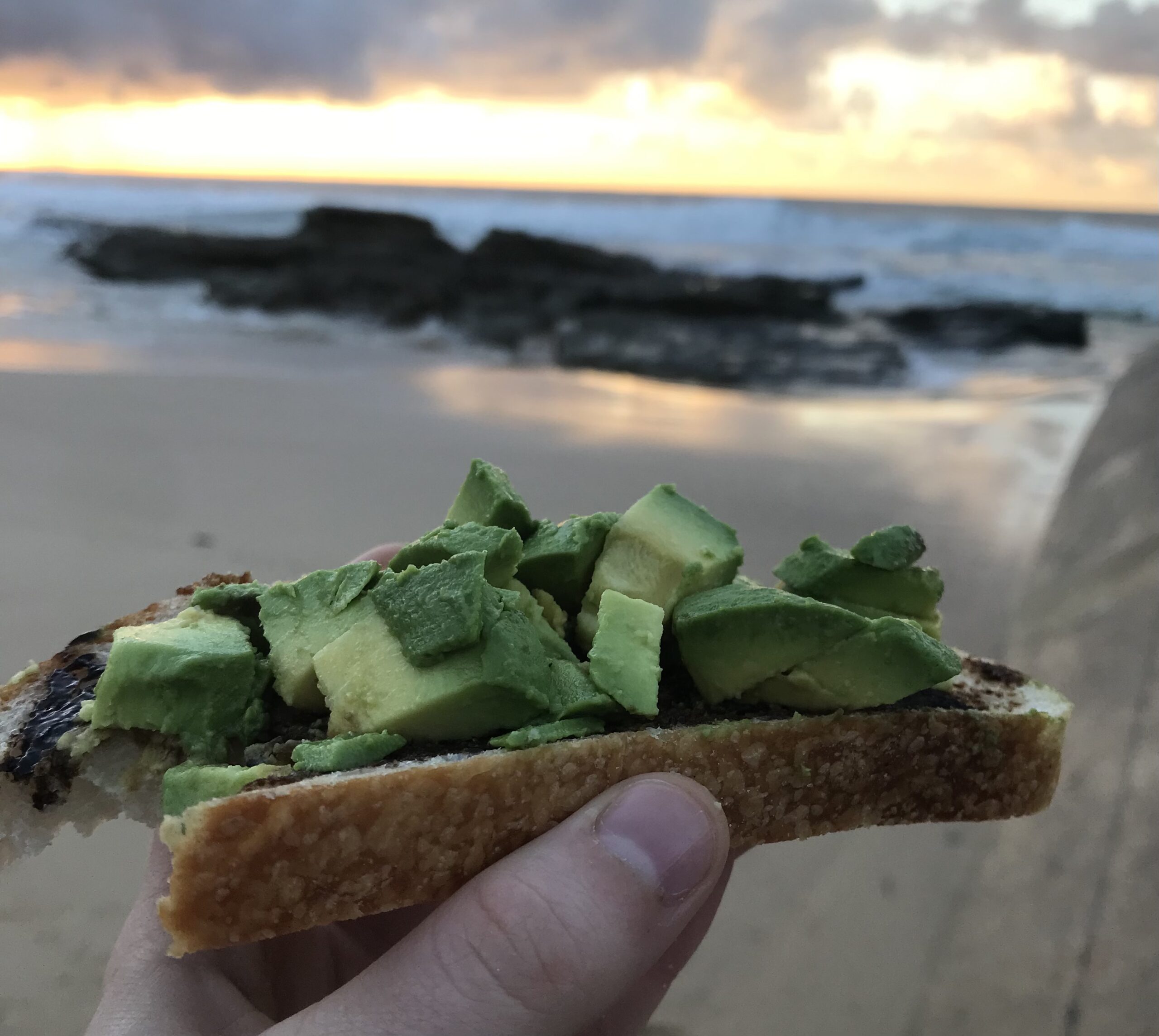
9: Snacks aren’t all bad. For some reason when I was younger I had this idea in my head that all snacks were unhealthy. But in fact, they can be really good for you. They can stop you from getting hungry and grumpy in between meals, support your exercise, be social, and be delicious. The important thing is the quality of the snacks. It’s great if most of the time, you can make your snacks on 3 things: carbs, protein and fat. This way, your snacks will have nutrients, and will keep you full. Great examples are fruit with nut butter (my favourite is apple or banana with peanut butter), cottage cheese on crackers, vegetables with hummus or greek yoghurt, banana and greek yoghurt, boiled eggs and crackers (I love marmite with this combo) fruit smoothies with yoghurt and protein powder, mashed avocado on crackers with egg, tuna on crackers, fruit and a small handful of nuts. And if you have something a little less nutrient dense, (I’m thinking doughnuts right now…) it can be good to pair it with something else, say a piece of fruit, to help keep you full. Or not, thats ok, but it can help you eat more good stuff and less not so good stuff.

10: Eating with a healthy mindset is part of eating healthy. If you are stressing over healthy eating ideals, foods, social situations, the way you look or anything else related to how you eat, it’s probably time to re think. Remember, stress is just as unhealthy, if not more unhealthy, than any other food you eat or don’t eat. Food is not worth your personality. Also, eating with others often is really important for mental and emotional health- I have a nice long post of that that I will link here.
11: Please don’t skip meals, please, if you possibly can. It might seem like a fast track to eating less, if that’s your goal, but for almost everyone, it just doesn’t work. It will most likely leave you hungry and grumpy and less than your best, and will make you way more likely to eat a large amount of unhealthy food while your brain is clouded by hunger. Which is perfectly natural- it’s your body starting to go into survival mode because it is not getting enough food for all it needs to do. So don’t let it get there- it is not a good place to be, it stresses your body out, makes you grumpy and more likely to snap at friends and family, and to eat more than an ideal amount of unhealthy foods.

12: Don’t eat foods if you don’t like them. It may be a ‘superfood’, but if it makes you gag, there is not point putting yourself through misery. If you don’t like kale, don’t eat. If you don’t like chicken legs, your health will not jump off a cliff. The great thing about food is that the nutrients in it generally aren’t only in one food, but are in a wide variety of foods. For example, magnesium is in almonds, but it is also in chia seeds, spinach, black beans an a huge amount of other foods. Now there are some exceptions to this rule- if you are eating at a friend’s house and they serve brussel sprouts for dinner- well I can’t help you there. (Jokes I actually love brussel sprouts)
13: It’s about what you eat most of the time, not some of the time. We all know that pizza and chips and ice cream are less healthy than chicken and kumara and broccoli. But it is really really ok to eat less healthy things sometimes, for most people, it won’t do your body any harm, as long as you are eating foods that are good for you most of the time. Pizza is delicious and for the vast majority of people there is no need to avoid it at a one off pizza party.
14: Eating after exercise is really important for recovery. I didn’t know this for a while, but after you exercise it’s really important to refuel so that your body can recover and not only use the exercise you did to build stamina and muscle, but also to stop your body from going into survival mode, especially if you go to sleep soon after. The optimal window for refuelling is around two hours, but preferably much sooner. I know it’s not always practical to do this- but having a small snack like yoghurt, nuts or fruit and nut butter, a glass of milk or a protein bar is great, or planning your meals around when you exercise can be really helpful to help you hit your goals.

15: Be selective about what you drink. What you drink either has the power to do you a lot of good, or potentially a lot of harm. Water is so so good for you, and it is needed for basically everything you do. I really struggle to drink water, so sometimes I like to put a little apple juice or lemon juice in my water to make it more enjoyable. This potentially isn’t the best thing for your teeth, but for me it’s worth it. Fizzy drinks and straight fruit juice taste great, but they are really full of sugar. And drinking a glass of orange juice is not like eating an orange- it contains just the sugar (and a few vitamins, but mostly sugar) and none of the fibre that is good for your digestive system. Fizzy drinks and energy drinks as well contain a quite a lot of sugar and often lots of caffeine, which isn’t so good in large amounts. Like anything, these things are fine to drink sometimes, but anything upwards of once/twice/three times/four times a day I would be cautious of. Alcohol too is fine occasionally if you want to drink it, but it is worth knowing that it is actually a class one carcinogen, which means it has same evidence of cancer causing properties as cigarettes. This sounds scary, but it is worth noting that wine, especially red wine, has been known to have some small health benefits, and same evidence is not quite the same as same strength. Another class one carcinogen is processed meat, so don’t panic too much, but do be aware.
I hope you found that helpful- there are quite few thoughts there, but I guess that goes to show that nutrition has lots of different aspects. It’s really important, though, that although these tips are good for most people, if you need specific nutrition help, I would really recommend seeing a nutritionist. I unfortunately don’t have a list that I can share with you, but maybe one day I will, or maybe I can be that person one day.

Also, nutrition doesn’t have to be a complete overhaul of your life that you only stick to for a few weeks– it can be small, practical steps that you add over time. No habit that you implement is more important than another one, so I would really encourage you to pick something and give it a try. And if it doesn’t work for you, that’s ok– now you know, and you can find something that does work.
Love ya!
~Hannah xoxo
